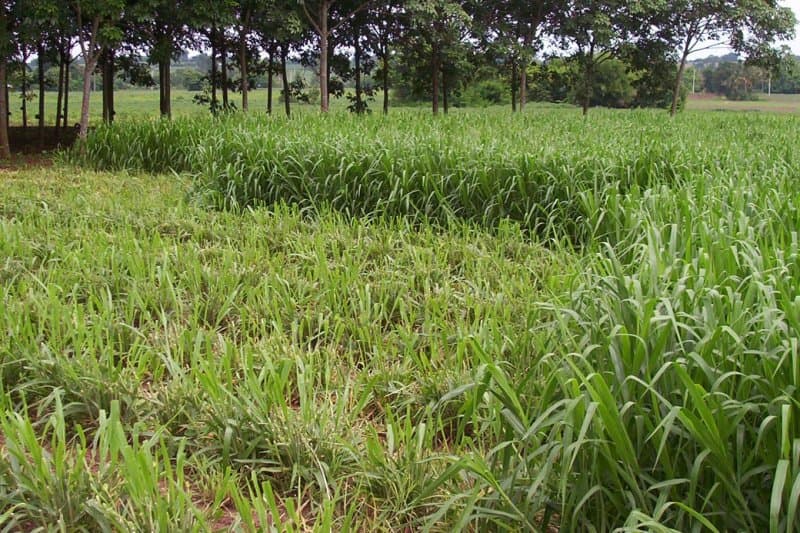
Chloris Gayana Boma Rhodes Grass Pasture Seeds from Uganda…
Chloris Gayana Boma Rhodes Grass Pasture Seeds
No reviews yet·3 views
USD 8.12
per 1 kg
Available Stock
40,000 kg
Source Country
Uganda
Seasonality
All seasons
Certifications
On Demand
About this product
Seed rate: 10Kg per acre
Spacing: 1m between each row
Maturity period: 3-4 months
Yield potential: 1.2-1.3 metric tonnes per acre
Environmental requirements: Chloris gayana grows in tropical and subtropical regions at elevations from near sea level up to 2000 m. It can also grow in dry and semi-arid regions. It grows best in areas with mean annual temperatures ranging from 16 to 37ºC, with a minimum tolerated temperature of 5º and a maximum of 50ºC. It prefers a mean annual rainfall ranging from 700 mm to 1,500 mm but tolerates 500 mm to 4000mm. It can grow on a wide range of soils, including sandy soils, loams and clays. It grows best in well-drained soils with pH between about 5.5 and 7.5 (but tolerates pH 4.5 and up to 10). This species does not tolerate soils with high manganese and has poor shade tolerance, but it tolerates saline soils and can be irrigated with water that may be too saline for other species. Chloris gayana has a root system that can extract water to a depth of 4m. Therefore, its drought tolerance is high and it can survive in areas with a 6-month dry season. It also tolerates seasonal waterlogging and plants can survive flooding for up to 15 days. Chloris gayana is affected by chloris striate mosaic virus and by fungi species such as Helminthosporium, Aspergillus flavus, Cerebella andropogonis, Cladosporium, Claviceps, Cochliobolus heterostrophus, Fusarium and Uromyces kenyensis. Insect pests include fall armyworm, Spodoptera frugiperda, larvae of Mocis latipes, the lesser corn-stalk borer, Elasmopalpus lignosellus, rhodes grass mealybug (Antonina graminis), and the two-lined spittle bug (Prosapia bicincta). Chloris gayana spreads by seed and also vegetatively via stolons. The seeds are dispersed by wind and water, and may also become attached to clothing, animals, vehicles and machinery. Seeds can also be dispersed as a contaminant in agricultural produce (e.g. pasture seed). Plants can spread laterally and colonize nearby areas via their stolons.
Specifications
Reviews
No reviews yet
Loading products
Aggregation
Same Day Aggregation
Quality Measures
None
Return policy
Not Applicable. Buyers should appoint their own Quality Assurance and Shipping Agents to guarantee quality and timely delivery.